


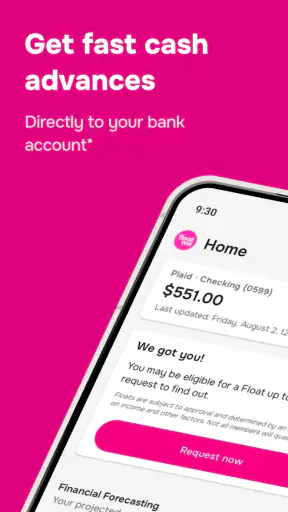
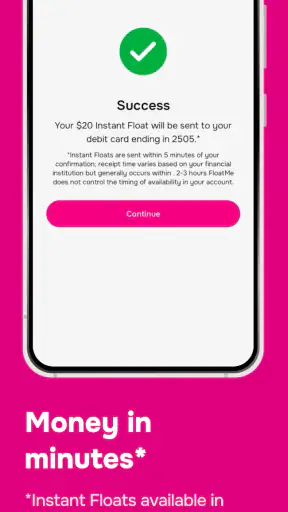
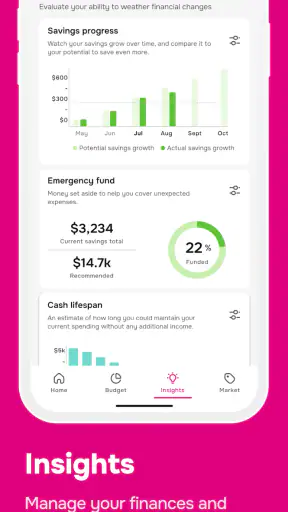
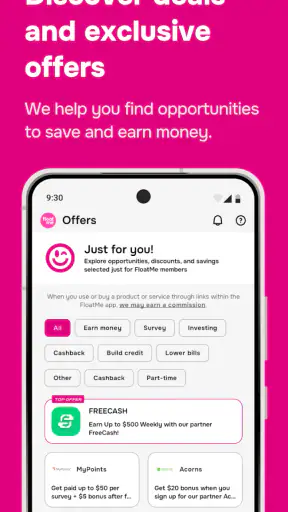
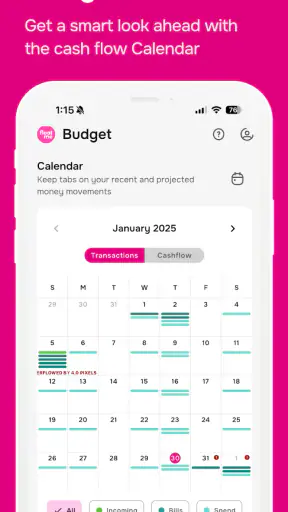
When a bill arrives a few days before payday, the problem is often not long-term income but awkward timing. That is the situation I kept in mind while trying FloatMe: Fast Cash Advance App, a finance app from FloatMe. Its appeal is easy to understand: it is built for people who need a small bridge to their next paycheck and want to avoid a traditional credit check. I found the experience most useful when treated as a short-term planning tool rather than as extra spending money.
The app is free to install and is rated for Everyone, which makes it approachable for a broad audience. It has been available since October 4, 2018, and its current version is 8.21.0. With a 4.5 average from around 78 thousand ratings and more than one million installs, it is clearly not an obscure experiment. Still, popularity does not remove the need to look carefully at repayment timing, eligibility, and whether a cash advance actually solves the problem or simply moves it forward.
What the first week feels like
My first impression was that FloatMe is focused on a very specific moment: the uncomfortable gap between an ordinary expense and the next scheduled paycheck. That focus is a strength. Instead of presenting itself as a complete banking replacement, it centers the experience around access to a cash advance without interest or a conventional credit check. For someone dealing with a late utility payment, a necessary grocery trip, or a small transportation expense, that narrow purpose can feel more useful than a broad budgeting app.
The main decision is not whether the app looks attractive; it is whether the timing of the advance fits your income cycle. I would begin by checking the amount needed, the expected repayment date, and the money that must remain available for rent, food, and other fixed commitments. This simple check matters because a cash advance can relieve today's pressure while creating a tighter week later. FloatMe works best when the request is connected to a predictable paycheck, not when it is being used to cover a recurring shortfall.
One practical advantage is the absence of a traditional credit-check barrier described in the app's store summary. That can matter to people who are building credit, have a thin credit history, or simply do not want a small emergency to become a formal borrowing event. At the same time, avoiding a credit check should not be confused with borrowing without conditions. I would still read every screen about eligibility, repayment, account connection, and any optional service before confirming a request.
The first-week appeal also comes from the app's immediacy. In a stressful moment, a complicated loan application can be discouraging. FloatMe's purpose is easier to understand than a general financial marketplace: you are looking for short-term help before payday. That clarity makes it possible to decide quickly, but quick decisions are exactly where I recommend slowing down. I would use it only after writing down the essential expense and confirming that the next paycheck can absorb the repayment.
A realistic everyday use case
Imagine that a commuter's paycheck arrives on Friday, but a necessary car expense appears on Tuesday. Waiting could mean missing work, while using a high-cost alternative could make the situation worse. In that case, a small advance may be a reasonable bridge if the worker already knows the paycheck amount and has no other large withdrawals scheduled before repayment. The app's value is not that it makes the expense disappear; it can help align the timing of available cash with the timing of the obligation.
That same example also shows when I would avoid it. If the commuter is already using advances every pay period, the app is no longer solving an isolated timing issue. It is becoming part of the income plan, which is a warning sign. A budgeting conversation, expense reduction, employer support, or a more sustainable financial product may be more appropriate. FloatMe can be useful in an emergency, but it should not become the only cushion in a household budget.
During an initial setup, I would pay attention to the information the app asks me to review and the way it presents the available advance. I would not rush through permissions or confirmations simply because the need feels urgent. The most useful habit is to screenshot or note the repayment details for personal records, then set a reminder in the phone's calendar. That small step reduces the chance of forgetting the obligation after the immediate crisis has passed.
How it compares with familiar alternatives
The usual alternatives each solve a different part of the problem. A credit card may provide a reusable line, but it can involve interest and encourage a balance to linger. A bank overdraft may be convenient, yet its terms can be difficult to predict. A payday loan may be designed for the same urgent moment, but many borrowers find its cost and repayment structure harder to manage. Asking a friend or family member may avoid formal borrowing, though it can create personal tension.
FloatMe sits in the middle of those choices. Its appeal is the short-term advance model and the stated lack of interest or credit checks, while its weakness is that it remains dependent on the user's next paycheck. It is not a replacement for building savings, repairing a monthly budget, or finding a lower-cost long-term loan. I would choose it over a more expensive emergency option only after comparing the full terms and confirming that repayment will not interfere with essentials.
Whether it remains useful after the novelty
The first successful advance can make the app feel like a permanent safety net. After the immediate problem is solved, however, the real test begins. I think FloatMe has lasting value for someone who uses it rarely, understands the repayment cycle, and keeps a separate plan for emergencies. Its recurring value is much weaker for anyone who opens it repeatedly because ordinary expenses arrive before income does.
Month to month, the app is best viewed as a backup channel rather than a routine part of cash flow. I would keep it installed only if it serves a clear role in my financial plan. That role might be handling an isolated timing mismatch while I build savings, wait for a corrected payroll issue, or manage an unavoidable expense. If I need it to make rent, groceries, or utilities affordable every month, the underlying problem deserves attention outside the app.
A useful way to judge ongoing value is to review every advance after repayment. I would ask three questions: what caused the shortfall, whether the expense could have been delayed, and whether the advance made the following pay period harder. This turns the app from an automatic reaction into a source of personal financial feedback. The answer may reveal that the real fix is moving bill dates, creating a small buffer, or cutting a subscription rather than requesting another advance.
Another non-obvious trade-off is psychological. Having a fast option available can reduce panic, which is helpful, but it can also make an expense feel less serious than it is. I would avoid opening the app while shopping or making an impulse purchase. Instead, I would decide on the expense first, calculate the repayment impact, and use the app only if the purchase is necessary. That separation protects the tool from becoming a convenient excuse for spending.
Keeping the experience manageable
The maintenance burden is not mainly about using the app every day. It is about keeping the surrounding financial details accurate and staying aware of what will happen on payday. I would review linked income information, repayment settings, and notifications whenever my job, pay schedule, or bank account changes. A change in payroll timing can turn a previously comfortable advance into a difficult one.
I would also keep a small written record of requests and repayments rather than relying entirely on memory. The record does not need to be complicated. The date, amount, purpose, and expected repayment are enough to show whether the app is being used for genuine emergencies or filling a repeated budget gap. This is particularly important because the relief from receiving money is immediate, while the financial effect may arrive later.
FloatMe is free to install, but “free” should not be treated as a complete description of the borrowing experience. I would inspect any displayed terms, optional features, and potential charges before accepting an advance. The relevant question is the total effect on my account, not simply whether downloading the app costs anything. If a user cannot explain what will be repaid and when, that user should pause rather than continue because the need feels urgent.
Updates are another part of maintenance. The app's current version is 8.21.0, and I would keep it updated through the official app store so that the installed experience matches the current release. I would also review notifications and remove unnecessary alerts if they become distracting. A financial app should remind me about important actions without encouraging me to think about borrowing every time I check my phone.
Where fatigue starts to appear
The biggest source of fatigue is repetition. An advance can feel simple once, but repeated requests require constant attention to income, repayment, and essential bills. That mental load can be heavier than expected, especially for someone already dealing with financial stress. If the app starts to occupy a regular place in my payday routine, I would interpret that as evidence that I need a broader solution.
Another limitation is that the app cannot remove uncertainty from a user's finances. Approval, available amounts, timing, and account circumstances still matter, and a person should not assume that help will always arrive exactly when needed. I would never make a critical payment plan that depends entirely on receiving an advance. A backup such as contacting the bill provider early, arranging a payment date, or asking an employer about payroll support may be safer.
The no-credit-check angle may also attract people who have few alternatives, which makes careful reading especially important. A user may focus on the absence of a credit inquiry and overlook the practical obligation to repay. I would explain the app to a friend as a timing tool, not as free money and not as a way to increase monthly purchasing power. That distinction is central to using it responsibly.
There is also a privacy and trust decision whenever a finance app is connected to personal financial information. I would read the permission requests and account-related explanations before proceeding, and I would avoid using a device that other people can access without a lock screen. These are ordinary precautions, but they matter more when an app is involved in income and repayment details.
For users with stable savings, FloatMe may be unnecessary. A small emergency fund is usually more flexible because it does not depend on a future paycheck or a borrowing workflow. For users who need a larger amount, a longer repayment period, or credit-building activity, a regulated personal loan, credit union product, or carefully managed credit card may fit better. Those alternatives can carry their own costs, but they may be more suitable than repeatedly taking short advances.
Who should keep it installed
I can see a clear place for FloatMe in the phone of someone with regular income who occasionally faces a small, unavoidable timing problem. That person should be able to identify the exact expense, predict the next paycheck, and repay without sacrificing essentials. The app is also more attractive to someone who wants to avoid a traditional credit check for a short-term need and is willing to inspect the terms carefully.
I would recommend skipping it if income is irregular, the next paycheck is uncertain, or existing advances and debts already consume most available money. It is also a poor fit for discretionary shopping, recurring bills that are permanently unaffordable, or anyone hoping to improve a credit score through use. The app's purpose is narrower than those goals, and forcing it into the wrong role can make a difficult budget even more fragile.
Age accessibility is broad because the app carries an Everyone content rating, but that should not be mistaken for a promise that every person will qualify or benefit. Financial maturity matters more than a simple store label. I would want any user to understand repayment, check the effect on upcoming bills, and know where to find help if the advance is not enough.
My long-term verdict
After the initial convenience wears off, FloatMe earns a place as an occasional emergency option, not as a permanent substitute for savings or income planning. I like its focused purpose, its free entry point, and the way its cash-advance model addresses a real payday gap. The strong store reception—an average of 4.5 from roughly 78 thousand ratings—also suggests that many people find the concept useful, though each user still needs to judge the terms personally.
My recommendation is to install it only with a written rule: use it for a defined necessity, confirm the repayment impact, and review the result afterward. Set a reminder, keep records, and treat repeated use as a signal rather than a success. The app is most valuable when it helps you cross one short gap without becoming part of every pay cycle.
In the end, FloatMe is neither a magic fix nor something I would dismiss outright. It can be a practical bridge for a narrow, realistic situation, especially when the alternatives are more expensive or less accessible. But if the same emergency keeps returning, the better long-term answer is outside the app. That is the standard I would use before recommending it to a friend: useful in the right moment, manageable when used sparingly, and not a replacement for a healthier financial cushion.


